Recovery housing can assist individuals make the shift to an independent lifefor example, helping them find out how to handle financial resources or seek work, as well as linking them to support services in the neighborhood. Scientific research study given that the mid-1970s shows that drug abuse treatment can help lots of drug-using wrongdoers alter their attitudes, beliefs, and habits towards substance abuse; prevent relapse; and successfully remove themselves from a life of substance abuse and criminal offense.
However, many offenders do not have access to the types of services they need. Treatment that is of poor quality or is not well suited to the requirements of culprits might not be reliable at lowering substance abuse and criminal habits. In addition to the general concepts of treatment, some factors to consider specific to wrongdoers consist of the following: Treatment needs to include development of specific cognitive skills to assist the culprit change mindsets and beliefs that result in substance abuse and crime, such as feeling entitled to have things one's own method or not comprehending the consequences of one's behavior.
Treatment planning need to include tailored services within the correctional facility along with shift to community-based treatment after release. Continuous coordination between treatment suppliers and courts or parole and probation officers is necessary in addressing the complex needs of wrongdoers returning to society. Drug abuse changes the function of the brain, and many things can "trigger" drug cravings within the brain.
According to SAMHSA's National Survey on Substance Abuse and Health, 22.5 million individuals (8.5 percent of the U.S. population) aged 12 or older needed treatment for an illegal * drug or alcohol usage problem in 2014. Just 4.2 million (18.5 percent of those who required treatment) got any compound usage treatment in the very same year.
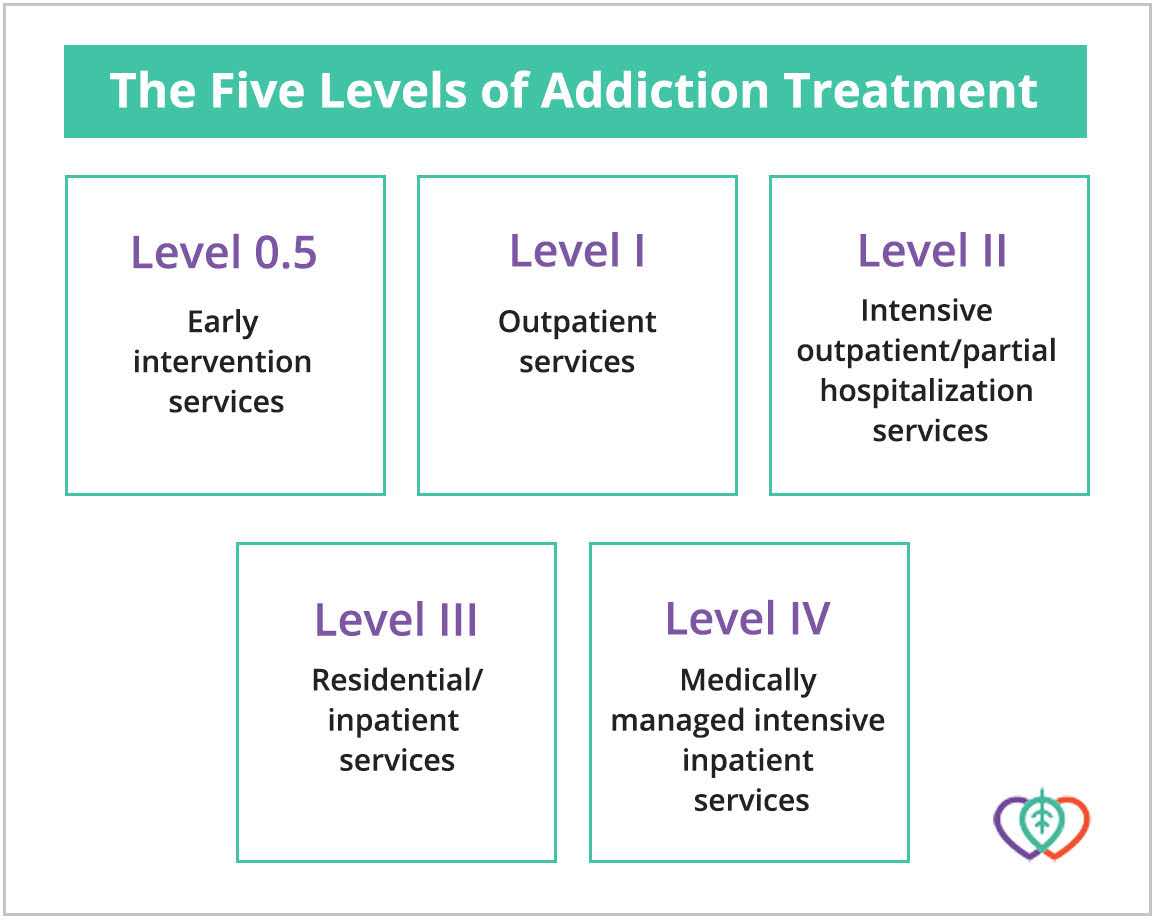
* The term "illicit" refers to using controlled substances, consisting of cannabis according to federal law, and misuse of prescription medications. Drug dependency can be treated, but it's not simple. Addiction treatment should help the person do the following: stop using drugs stay drug-free be efficient in the household, at work, and in society Effective treatment has numerous steps: cleansing behavioral counseling medication (for opioid, tobacco, or alcohol dependency) examination and treatment for co-occurring psychological health concerns such as anxiety and anxiety long-lasting follow-up to prevent relapse Medications and gadgets can be utilized to handle withdrawal symptoms, avoid relapse, and deal with co-occurring conditions.
What Is The First Step? Quizlet - An Overview
However, many offenders do not have access to the kinds of services they require. For more details about drug addiction treatment, see: www.drugabuse.gov/publications/principles-drug-addiction-treatment-research-based-guide-third-edition For details about drug addiction treatment in the criminal justice system, check out: www.drugabuse.gov/publications/principles-drug-abuse-treatment-criminal-justice-populations For detailed guides for people who think they or an enjoyed one might need treatment, see: www.drugabuse.gov/related-topics/treatment Easy-to-Read Drug Information on Treatment - Has pictures and videos to help readers understand the text.
Center for Behavioral Health Data and Quality (CBSHQ). 2014 National Study on Drug Usage and Health: Detailed Tables. Rockville, MD: Drug Abuse and Mental Health Providers Administration; 2015. Drug Abuse and Mental Health Solutions Administration (SAMHSA). National Study of Substance Abuse Treatment Services (N-SSATS): 2013. Information on Substance Abuse Treatment Facilities.
HHS Publication No. (SMA) 14-489. BHSIS Series S-73. This publication is offered for your use and might be reproduced without consent from NIDA. Citation of the source is appreciated, utilizing the following language: Source: National Institute on Drug Abuse; National Institutes of Health; U.S. Department of Health and Human Being Providers.
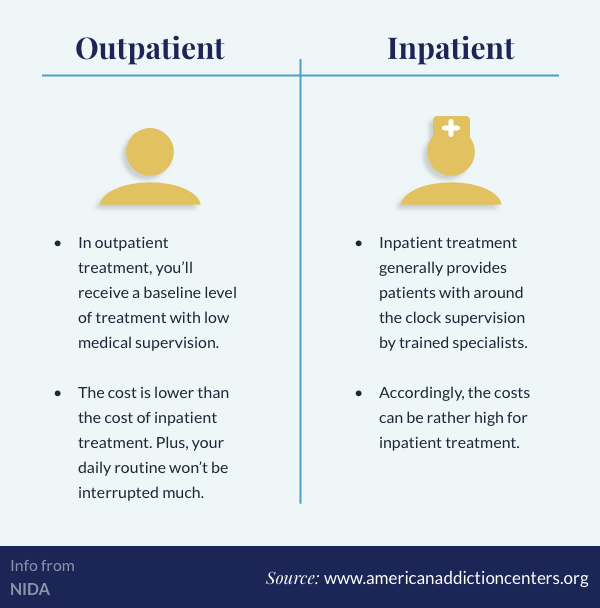
Drug treatment is meant to assist addicted people stop compulsive drug looking for and use. Treatment can take place in a range of settings, take many various types, and last for various lengths of time. Due to the fact that drug addiction is typically a chronic disorder characterized by occasional regressions, a short-term, one-time treatment is typically not sufficient.
There are a range of evidence-based methods to treating addiction. Drug treatment can include behavior modification (such as cognitive-behavioral treatment or contingency management), medications, or their mix. The particular type of treatment or mix of treatments will vary depending on the patient's specific needs and, typically, on the kinds of drugs they use.
All about How Are Medications Used In Drug Addiction Treatment?
Disulfiram, acamprosate, and naltrexone are medications offered for dealing with alcoholism,1 which frequently co-occurs with other drug addictions, including addiction to prescription medications. Treatments for prescription substance abuse tend to be comparable to those for illegal drugs that impact the very same brain systems. For example, buprenorphine, used to deal with heroin addiction, can likewise be used to treat addiction to opioid discomfort medications.
Behavior modifications can assist encourage individuals to participate in drug treatment, offer strategies for dealing with drug yearnings, teach ways to avoid drugs and prevent relapse, and assistance individuals deal with relapse if it occurs. Behavioral therapies can also help people enhance interaction, relationship, and parenting skills, as well as family characteristics.
Group treatment can provide social reinforcement and aid impose behavioral contingencies that promote abstaining and a non-drug-using way of life. Some of the more https://www.snntv.com/story/42260845/pompano-beach-drug-treatment-center-helps-people-find-road-to-recovery recognized behavioral treatments, such as contingency management and cognitive-behavioral therapy, are likewise being adjusted for group settings to improve efficiency and cost-effectiveness. Nevertheless, especially in adolescents, there can also be a risk of unintentional damaging (or iatrogenic) results of group treatmentsometimes group members (specifically groups of highly overdue youth) can reinforce substance abuse and thereby thwart the function of the treatment.
Due to the fact that they work on various elements of addiction, combinations of behavior modifications and medications (when offered) usually seem more reliable than either technique utilized alone. Finally, people who are addicted to drugs frequently experience other health (e.g., depression, HIV), occupational, legal, familial, and social problems that must be attended to simultaneously.
Psychoactive medications, such as antidepressants, anti-anxiety agents, state of mind stabilizers, and antipsychotic medications, may be vital for treatment success when clients have co-occurring mental illness such as anxiety, stress and anxiety conditions (consisting of trauma), bipolar illness, or schizophrenia. In addition, a lot of people with severe dependency abuse several drugs and need treatment for all drug abuse.
Examples Of How The Stigma Srrounding Addiction Can Impacts A Clients Treatment - An Overview
In many cases, the objective of treatment for drug dependency or abuse is not just to get the person to stop utilizing drugs but to also return the specific to a efficient member of society. The goal of drug treatment is to not only to stop compulsive drug looking for and usage but to help the client become an operating family member, more capable of becoming utilized and enhance his/her medical condition.
According to the Workplace of National Drug Control Policy, Drug Rehab Delray effective drug treatment should, at least, result in the following results: Minimized use of primary drugImprove employment functioningImproved academic statusImproved interpersonal relationshipsImproved basic health and medical statusImproved legal statusImproved psychological health status Therefore, to determine the effectiveness of drug treatment programs, the rate of abstaining is not the only aspect to be considered, but likewise the functioning of the client in the house, work and in the neighborhood (what addiction treatment programs take kaiser permanente).